The Strategic Use of Glass Building Logo Mockups in Modern Brand Presentation
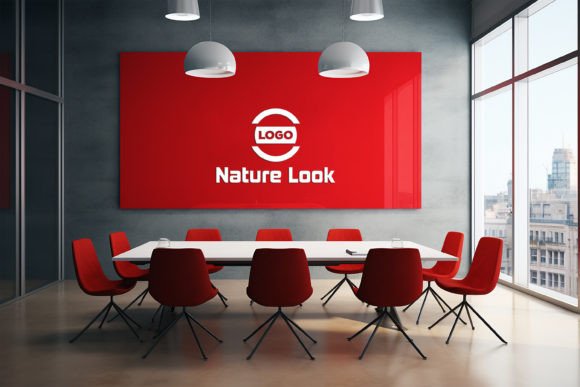
In the visual-centric world of modern branding and marketing, presenting a logo in a realistic, professional context is paramount. A Glass Building Logo Mockup is a specialized digital template. It typically features a 3D-rendered or photographed scene of a glass building facade, interior, or architectural element like a door or glass wall. The key feature is the use of smart objects within a layered file, such as a .PSD, allowing a user to easily place their own logo onto the mockup surface. This creates a photorealistic preview of how a logo would appear in a real-world corporate environment, such as on an office building entrance, a meeting room glass wall, or an interior design feature.
These mockups, like those described with specifications of 5600x3733 resolution and 300 DPI, are designed for high-quality output. They are fully customizable, clean, and easy to use, enabling designers, branding agencies, freelancers, and business owners to generate compelling visual assets without the need for complex 3D software or physical prototyping.
Key Reasons for Interest in Glass Building Logo Mockups
The appeal of a Glass Building Logo Mockup extends across several professional scenarios. Primarily, it serves as a powerful tool for visual communication and validation. When stakeholders or clients need to see a logo concept applied to a realistic setting before finalizing a design or investing in physical implementation, a high-quality mockup provides that critical bridge. It transforms a flat graphic into a tangible element within a brand's spatial identity.
Interest often stems from projects involving corporate office branding, interior design for commercial spaces, or business presentations where environmental context matters. These mockups are also invaluable for creating portfolio pieces, advertising materials, and social media content that showcases a brand's identity in a sleek, modern, and professional light. The clean aesthetic of glass architecture conveys themes of transparency, modernity, and professionalism, making it a sought-after context for many brands.
Evaluating the Benefits and Practical Considerations
The primary benefit of using a Glass Building Logo Mockup is efficiency. It drastically reduces the time and cost required to visualize a logo in an architectural context compared to custom 3D rendering or physical mock-ups. The editable smart object feature means the process is technical yet accessible, often requiring only basic knowledge of software like Adobe Photoshop. The high resolution and DPI ensure the final image is suitable for both digital presentations and large-format print materials like posters or banners.
Furthermore, these mockups offer creative control. A fully layered file allows adjustments to lighting, reflections on the glass, and background elements to match the brand's desired mood—whether it's a bright, airy office interior or a sleek, subdued building exterior. This flexibility supports a wide range of branding narratives.
However, there are tradeoffs to consider. While the mockup provides realism, it is a simulated environment. The specific glass texture, lighting conditions, and architectural style are fixed within the template. If a brand's actual physical environment differs significantly—for instance, if the real building uses frosted glass or a different frame design—the mockup's preview may not be perfectly accurate. The reliance on specific software (.PSD files requiring Photoshop) can also be a limitation for users who work exclusively with other tools.
Situations Where Glass Building Logo Mockups Are a Strong Fit
A Glass Building Logo Mockup is particularly effective in certain situations. It is an excellent fit for branding proposals for companies whose physical presence is in contemporary office buildings or those emphasizing values like clarity and openness. Design agencies pitching logo concepts to such clients will find these mockups indispensable for creating persuasive, context-rich presentations.
They are also a strong fit for businesses developing their own brand identity and needing professional marketing materials. A mockup can be used to generate images for a website's "About Us" page, showcasing the logo in a corporate setting, or for promotional brochures. Startups and businesses in industries like technology, finance, or design, where a modern, clean aesthetic is aligned with brand perception, will find this type of mockup highly relevant.
Additionally, for freelance designers building their portfolios, a well-executed Glass Building Logo Mockup demonstrates not only logo design skills but also the ability to integrate that design into a realistic application scenario, showcasing a fuller service offering to potential clients.
When to Consider Alternatives
While highly useful, a Glass Building Logo Mockup may not be the optimal choice in all circumstances. If the brand's identity is deeply tied to a non-modern, non-glass architectural style—such as a rustic, industrial, or historic aesthetic—an alternative mockup featuring brick, wood, or metal surfaces would be more appropriate and authentic.
Similarly, for logos intended primarily for digital platforms without a planned physical architectural application, simpler presentation methods might be more efficient. A basic digital screen mockup or a presentation on a stationery item could suffice, saving time and focusing resources on the most relevant touchpoints.
Another consideration is the need for complete environmental customization. If the project requires showing the logo in a very specific, unique setting that a generic glass building mockup cannot approximate, investing in a custom 3D render or even a physical prototype might be necessary, despite the higher cost and time investment.
Practical Insights for Decision-Making
To determine if a Glass Building Logo Mockup aligns with your goals, start by clarifying the primary purpose of the visual asset. Is it for internal validation, a client presentation, a marketing campaign, or a portfolio piece? Next, assess the brand's physical or perceived environment. Does the sleek, professional context of a glass building support the brand story you are telling?
Technically, verify that you or your team have access to and proficiency with the required software to use the editable files. Check the mockup specifications against your output needs; the 300 DPI and high resolution are crucial for print, but may be excessive for simple web use. Also, consider the scalability of using such a mockup. Can you use it to create a cohesive set of images for different applications (e.g., exterior door, interior glass wall, meeting room) to present a unified brand vision?
Ultimately, the value of a Glass Building Logo Mockup lies in its ability to bridge the gap between digital design and real-world perception. It is a practical, cost-effective tool for enhancing presentations, validating design choices, and strengthening brand communications with compelling, context-aware visuals. By thoughtfully evaluating your specific project needs, brand identity, and technical capabilities, you can effectively decide whether this type of mockup is the right asset to elevate your logo's presentation.